
Lemosho Route
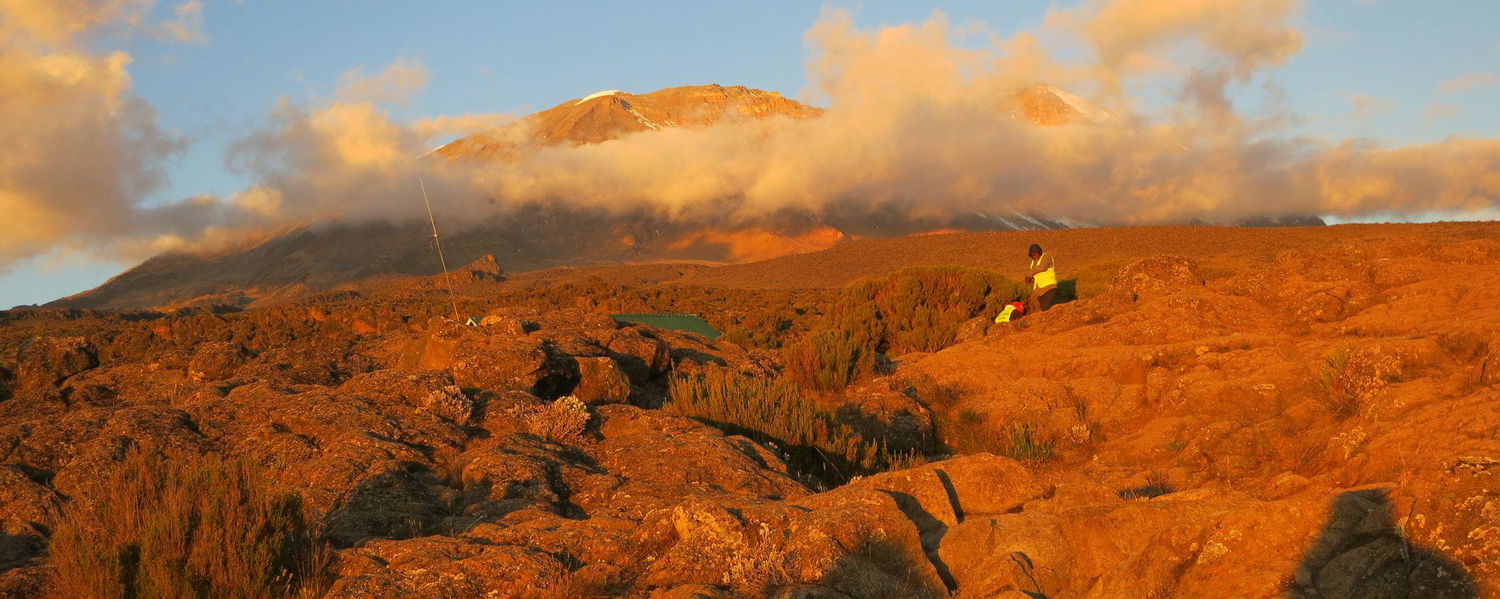
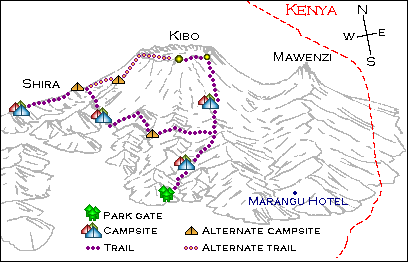
The Lemosho Route starts on the western side of Kilimanjaro and offers a longer approach through forest and moorland. Climbers cross the Shira Plateau and ascend to Lava Tower before descending to Barranco Valley. The trail continues via Barafu Camp with a midnight summit attempt. An optional eighth day allows a split between Karanga and Barafu for a more gradual pre-summit climb.
Gallery
Itinerary
Day 1: Londorossi Gate to Mti Mkubwa Camp
Climbers are taken to the gate at 2,000 metres at the entrance to the forest for entrance formalities, and then to the trailhead at Lemosho Glades at 2,200 metres. This is a long drive from Marangu – including the stop for gate formalities it often takes around 5 hours.
From the trailhead, there is a 3 to 4 hour walk, ascending quite steeply through the forest, until a camp is made in a forest clearing dominated by a large tree – this is Mti Mkubwa camp at 2,800 metres.
Day 2: Mti Mkubwa Camp to Shira Camp 1
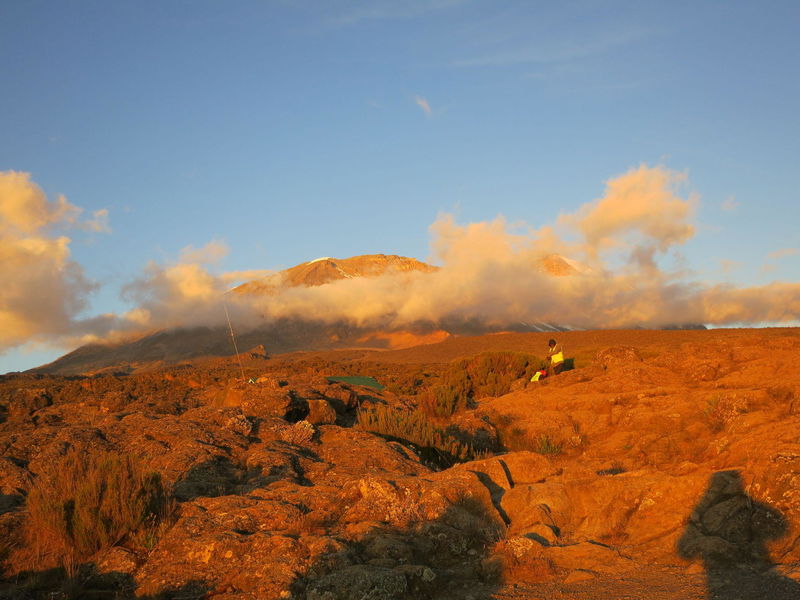
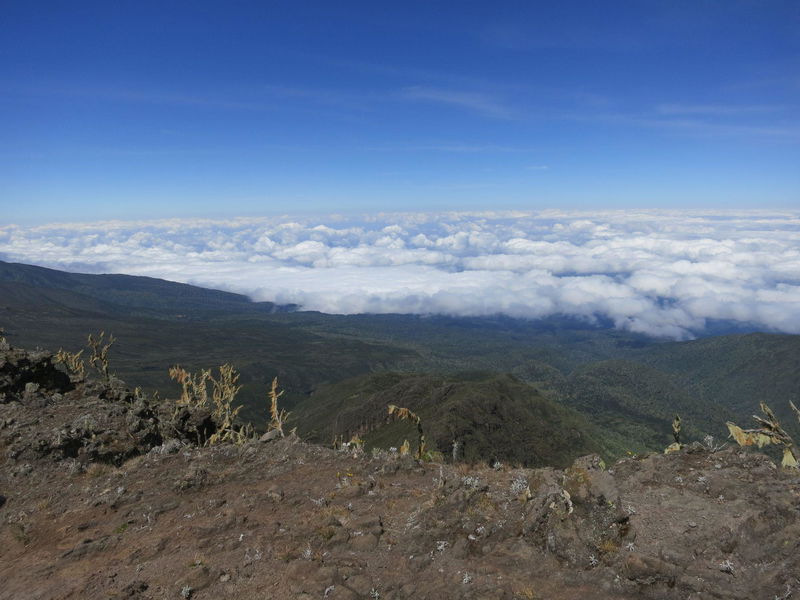
Climbers emerge onto the moorland above the forest after about an hour, then detour northwards around the Shira ridge, through beautiful and rugged moorland with views northwards and westwards to the plains below the mountain.
At the northern edge of the Shira ridge, the path turns eastwards and drops down onto the Shira plateau. Camp is made by a stream at Shira One campsite at 3,500 metres. Total time is about 6 to 7 hours.
Day 3: Shira Camp 1 to Shira Camp 2
The trail continues across the plateau towards Kibo. After about 2 hours, the edge of the plateau is reached and the path climbs up for about 40 minutes to Shira hut at 3800 metres. Total time is about 3 hours, therefore, if the direct route is taken.
However, this day affords the opportunity to branch off the trail and climb Shira Cathedral and Shira Needle, the imposing hills on the southern side of the plateau, and to look down the Machame ridge from their tops.
It is also possible to visit Cone Place, the centre of the extinct Shira volcano, and to look from there at the highest parts of the Shira plateau – Johnsell Point and Klute Peak on the western Shira ridge.
Day 4: Shira 2 to Barranco Camp
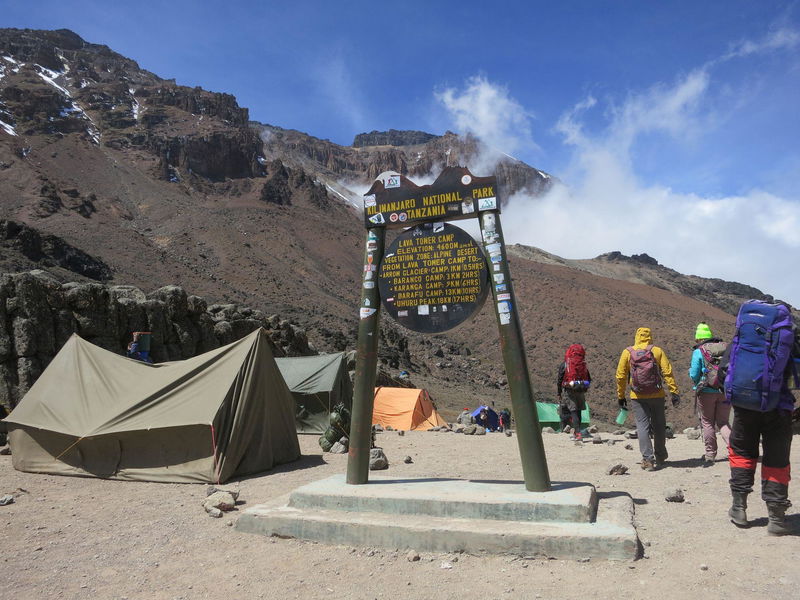
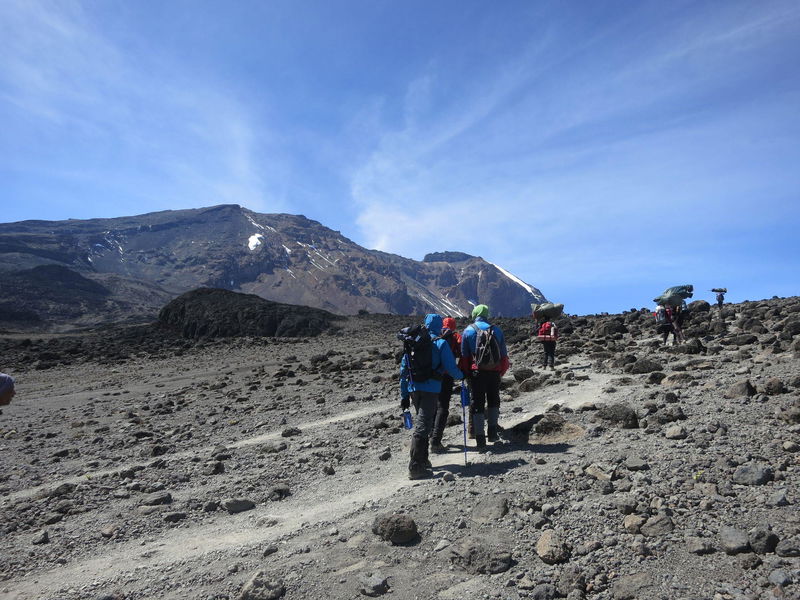
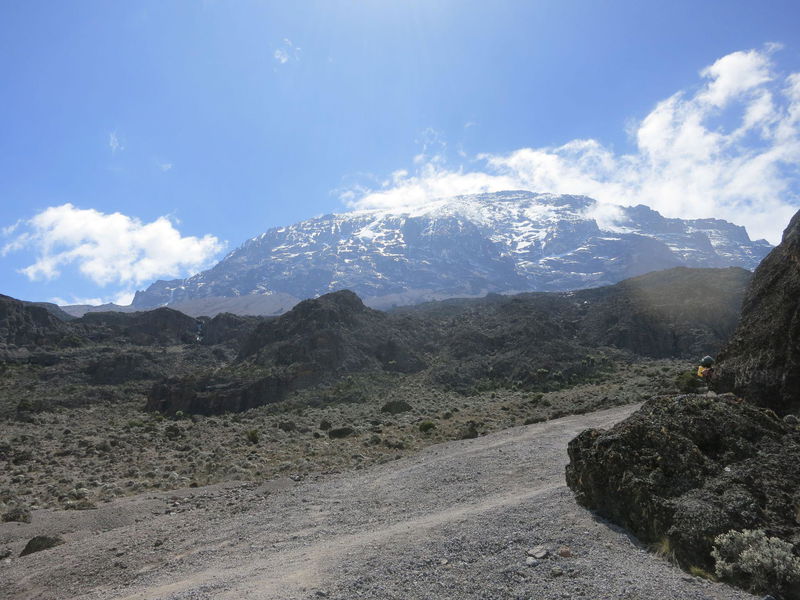
Follow the trail through high-altitude desert directly up the ridge towards Kibo. After about 4 hours you reach Lava Tower at 4,600 m, at the foot of the Great Western Breach. From here the path forks right and descends into the Umbwe/Barranco Valley. Camp is made on the valley floor at Barranco camp (3,985 m). The climb to 4,600 m followed by a descent to 3,800 m is a great aid to acclimatisation and takes about 6–7 hours.
Day 5: Barranco to Barafu Camp
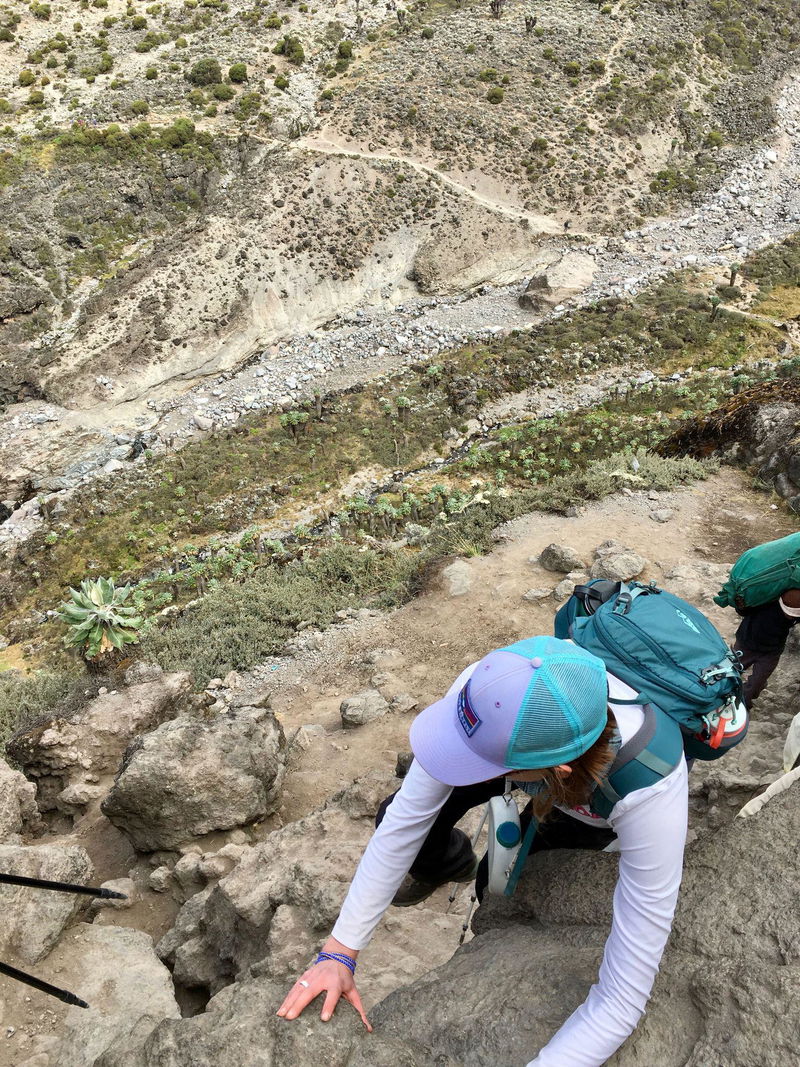
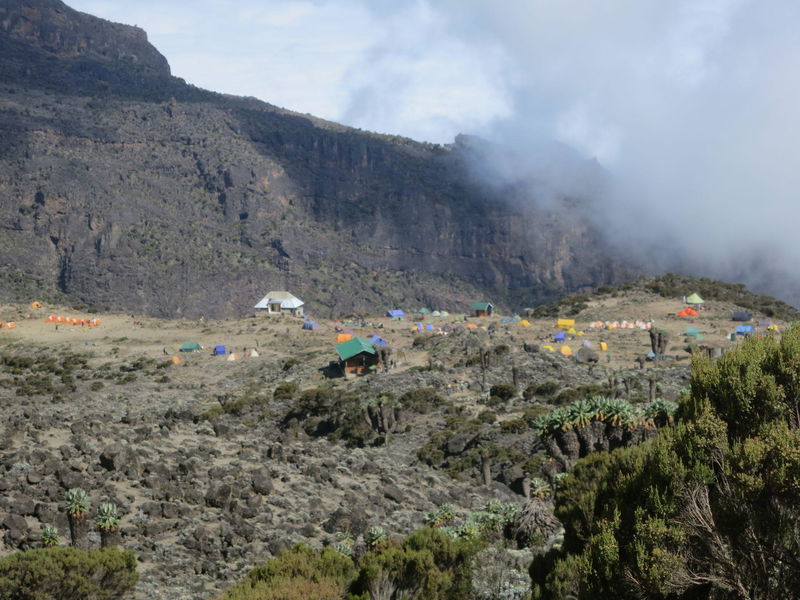
Begin the day with a steep climb up the Barranco wall, a 1‑2 hour scramble ascending about 300 m. Continue along the undulating Kibo South Circuit, enjoying views of Kibo’s southern glaciers if the weather is clear. After roughly 3 hours descend into the Karanga Valley and cross a small stream before climbing the eastern valley wall to the Karanga Valley camp at 4,000 m for lunch. From here, ascend for around 3 hours to Barafu Camp at 4,600 m. Total walking time is about 7–8 hours.
Day 6: Barafu Camp to Uhuru Peak and Mweka Camp
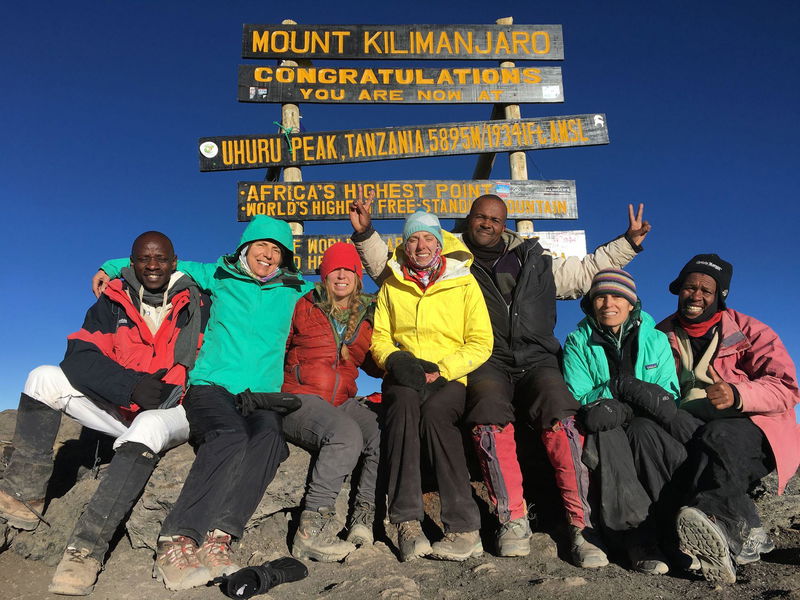
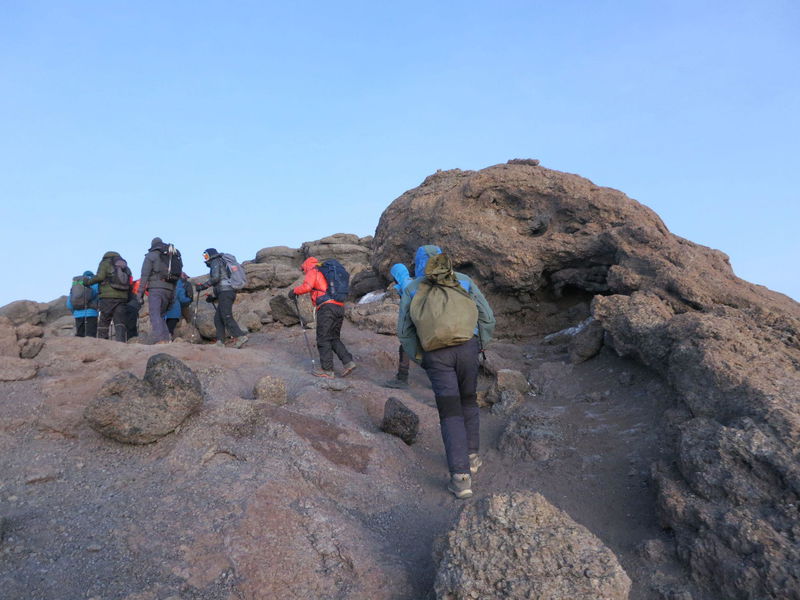
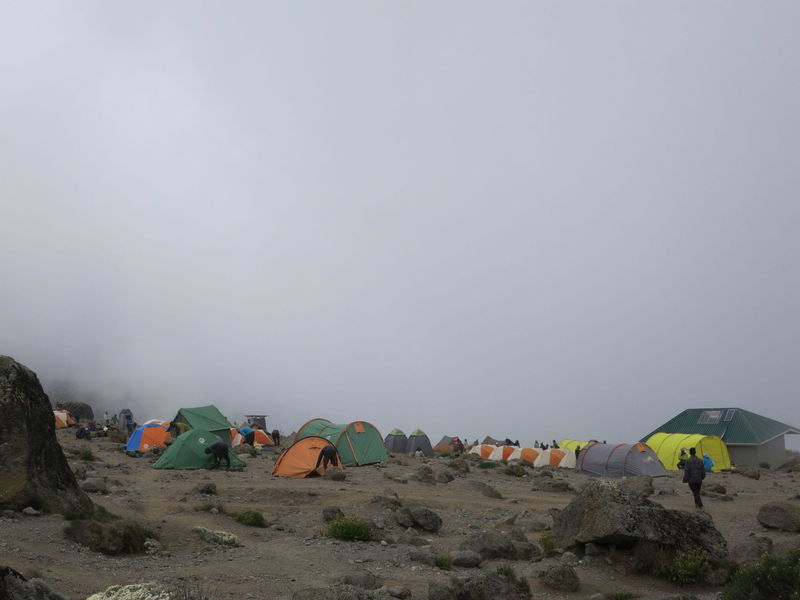
Climbers wake around 11 pm and, after a hot drink, set off at midnight from Barafu Camp for the summit. The first part of the climb follows a rocky ridge before turning into loose scree. The steepest sections zig‑zag up the scree and it takes about 7 hours to reach Stella Point on the crater rim at 5,750 m, often with spectacular sunrise views over Mawenzi. A further hour along the rim leads to Uhuru Peak at 5,895 m. The descent back to Barafu Camp takes 3–4 hours. After a rest and meal, continue descending to Mweka Camp at 3,100 m (or Millennium Camp at 3,800 m if tired).
Day 7: Mweka Camp to Mweka Gate
A gentle descent of around three hours leads through the forest from Mweka Camp to Mweka Gate. Vehicles will be waiting at the gate to transport you and your crew back to Marangu Hotel.
Day 8 (Optional): Extra Night at Karanga Valley
Many climbers opt to spend an extra night at Karanga Valley, dividing the long Day 5 into two shorter stages. This provides a relaxed acclimatisation day before the summit attempt and makes the overall trek less strenuous.
Share This Page